The first scenes were filmed in late February at Aït Benhaddou near Ouarzazate — the UNESCO World Heritage mud-brick village that stands in for the city of Troy at the end of the Trojan War, depicting a sequence before the bulk of the Odyssey begins.
The beach in Essaouira was used for filming the scene were soldiers were pulling the Trojan horse toward the city. Additional scenes were filmed in El Haouz, Marrakesh, Tahanaoute and Ouarzazate.
Van Hoytema rigged numerous portable LEDs to emulate the specific firelight colour temperature for the midnight raid of Troy, allowing Nolan to film in any direction without the constraints of fixed lighting. Aït Benhaddou has appeared in Gladiator, Game of Thrones and Lawrence of Arabia.
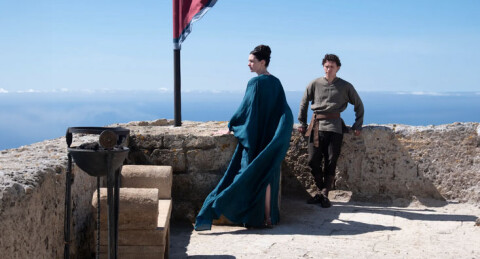
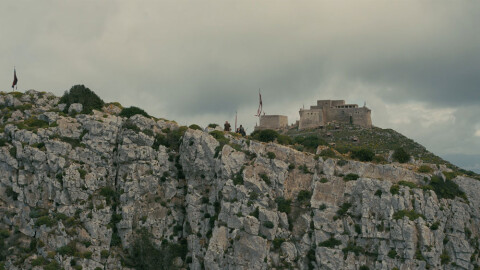
The Greek leg of the shoot ran from March 10 to 21 in the Messinia region of the Peloponnese, with filming at Pylos, Methoni Castle, Almyrolakkos Beach in Yialova, and Nestor's Cave above Voidokilia Beach — where the Cyclops Polyphemus sequence was filmed. A 37-metre wooden trireme was sailed from Norway to the port of Pylos to serve as the production's primary ship.
The medieval Methoni Castle in southwestern Greece and the ancient acropolis of Acrocorinth — the oldest fortress in the Peloponnese — were also used to add authenticity to the film. Greece currently offers a 40 per cent cash rebate on eligible production spend, and The Odyssey was named in a government study as one of the marquee international projects drawn to Greece on the strength of that incentive.